
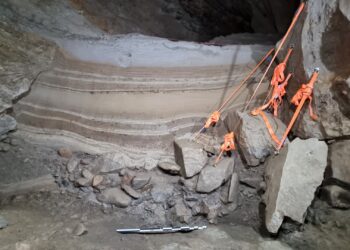
Scientists discover that 75,000 -year -old Arctic animals remain in the Norwegian cave
Scientists discovered the remains of a vast animal community that lived in the European Arctic 75,000 years ago. The bones ...

Scientists discovered the remains of a vast animal community that lived in the European Arctic 75,000 years ago. The bones ...
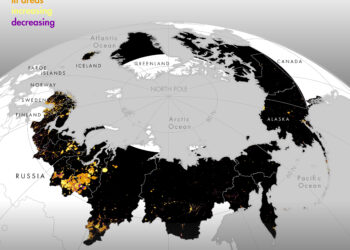
More than 800,000 km2 of the Arctic were affected by human activity in 2013, according to an analysis of satellite ...
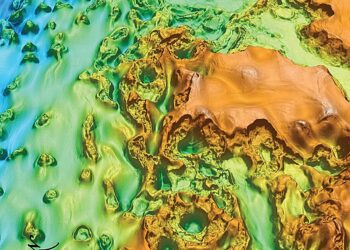
MBARI researchers, working alongside a team of international collaborators, have discovered large underwater ice formations at the edge of Canada's ...
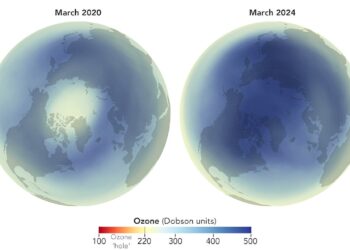
Ozone holes over polar regions, where stratospheric ozone levels are significantly reduced, have been a recurring feature of climate change ...
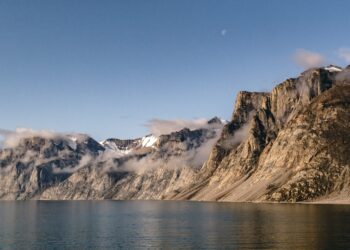
Using one of the Arctic's oldest ecosystem experiments, a team of researchers led by Colorado State University has developed a ...
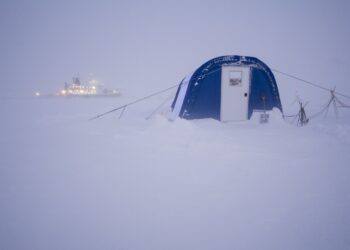
In nature, photosynthesis can take place even when light levels are extremely low. This is the result of an international ...
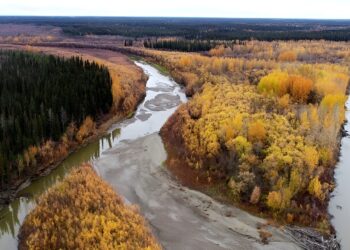
The Yukon River flows west through Alaska toward the Bering Sea, eroding Arctic permafrost along its banks and carrying sediment ...
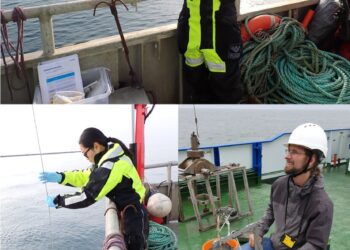
Despite the pronounced seasonality of their habitat, the bacterial community of Arctic sediments is very stable taxonomically and functionally. Researchers ...
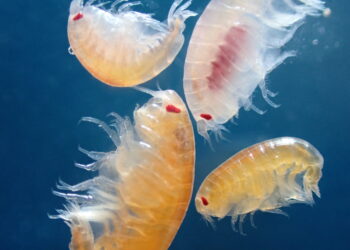
In the darkness and cold of the polar night which lasts for months, food resources are limited. Some groups of ...
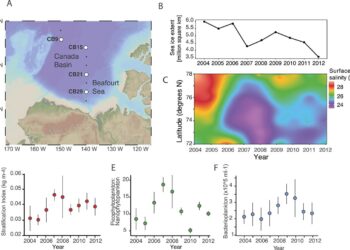
The Arctic region is experiencing climate change at a much faster rate than the rest of the world. Melting ice ...
